Why Tea Is the Perfect Way to End a Meal
A dining experience does not end with dessert. The moment that follows offers an opportunity to surprise guests one last time. While coffee has traditionally been the preferred choice, tea deserves an equally prominent place at the end of a meal. The right tea creates a refined finish that complements the flavours of the menu and elevates the overall guest experience.
Tea is more than a hot drink. It is a moment of attention, an exploration of flavours and an extension of hospitality. But which tea should you serve after dinner? And how do you choose a tea that perfectly complements the dessert or final course?
Why Tea After Dinner Is a Valuable Addition
In hospitality, it is all about the details. The presentation of a dish, the wine selection and the atmosphere at the table all contribute to the overall experience. Tea can play a surprisingly important role.
A carefully selected tea offers an alternative to coffee and gives guests the opportunity to linger and savour the moment. Tea also brings a wide spectrum of aromas to the table. From fresh citrus and mint notes to delicate floral aromas and warming, spicy flavours, there is always a tea to suit the occasion.
For restaurants, hotels and fine-dining establishments, this presents an opportunity to curate their tea selection with the same care and attention as the rest of the menu. The final cup of tea becomes more than an afterthought; it becomes a considered part of the culinary experience.
5 Types of Tea That Are Perfect After Dinner
The ideal tea to serve after dinner depends on the desired flavour experience, the dessert and the moment at which the tea is served. These five varieties each offer their own distinctive character and possibilities for the hospitality industry.
1. Verbena
Verbena, also known as vervain or lemon verbena, is renowned for its gentle, fresh citrus notes. Its refined aroma makes this herbal infusion particularly suitable for rounding off an elaborate dinner.
Its light, refreshing flavour provides a lovely contrast to rich dishes and desserts. Think of a citrus dessert, a delicate panna cotta or patisserie with subtle fruity notes. Verbena is also an elegant choice after an extensive meal for guests who prefer not to drink coffee.
As verbena is naturally caffeine-free, it is also well suited to a relaxed end to the evening.
2. Mint
Mint is a popular choice after dinner, thanks to its fresh, aromatic character. Its flavour creates a refreshing impression and provides a pleasant contrast to rich, creamy or spicy dishes.
A green tea with mint, such as Marrakech Mint, offers an added depth of flavour. The gentle, grassy notes of green tea are combined with the refreshing taste of Moroccan Nana mint. The result is a well-balanced tea with both freshness and character.
Marrakech Mint pairs well with citrus desserts, light fruit flavours and dishes in which herbs play an important role. Do bear in mind that green tea contains caffeine.
3. White Tea
For those seeking a refined tea that does not overpower the palate, white tea is an excellent choice. This tea type is known for its delicate character, gentle aromas and subtle sweetness.
China White Wings is a lovely option for restaurants wishing to offer their guests a light, elegant finish. Its refined flavour notes and gentle character make it ideal for occasions where subtlety takes centre stage.
White tea pairs well with light desserts, fresh fruit and patisserie with delicate flavours. It also comes into its own as the final tea following a multi-course menu.
White tea generally contains caffeine, although the amount varies depending on the tea and how it is prepared.
4. Rooibos
Not every guest is looking for fresh or floral aromas after dinner. Sometimes, a warm, smooth and subtly sweet flavour is better suited to the occasion.
Madagascar Redbush is an approachable choice with a rounded flavour profile. Rooibos is naturally caffeine-free, making it an appealing alternative for guests who prefer to avoid caffeine in the evening.
This tea pairs particularly well with desserts featuring chocolate, caramel, vanilla or warming spices. It also complements apple pie and other cinnamon-spiced pastries beautifully.
Thanks to its smooth character, rooibos is also suitable for guests who enjoy a full-bodied flavour without pronounced bitterness.
5. Jasmine Tea: Floral and Aromatic
For a more distinctive, aromatic finish, jasmine tea is an interesting choice. The combination of green tea and the delicate floral aroma of jasmine creates an elegant flavour experience.
Our Black Dragon Jasmine Pearls offer a distinctive presentation opportunity. The carefully rolled tea leaves and floral character make this tea particularly appealing to hospitality venues where provenance, preparation and presentation are central to the experience.
Jasmine tea pairs beautifully with desserts featuring white chocolate, pear or subtle floral notes. It can also create an interesting flavour combination with light, Asian-inspired desserts.
As jasmine tea is generally made using a green tea base, it contains caffeine.
Which Tea Pairs Best with Which Dessert?
A successful tea pairing is all about balance. Just as with wine, it is important to consider intensity, aromas and the way flavours complement one another.
There are three main approaches to pairing tea with desserts:
1. Aim for harmony. Pair tea with flavour notes that are also present in the dessert. A rooibos with warm, gentle aromas, for example, complements desserts featuring vanilla, caramel or cinnamon beautifully.
2. Create contrast. A refreshing mint tea can provide an interesting counterpoint to a rich chocolate dessert. The contrast between freshness and intensity makes the pairing more intriguing.
3. Maintain balance. A delicate dessert calls for a tea that will not overpower its subtle flavours. White tea or a refined jasmine tea can be an excellent choice in this case.
Ultimately, the best pairing depends on the overall flavour profile. Experiment with different teas and desserts to discover combinations that complement your menu.
Tea as an Alternative to Coffee After Dinner
For many guests, coffee is the natural way to round off a meal. However, there is growing scope for alternatives that cater to personal preferences and different times of day.
With a carefully curated tea selection, hospitality venues can offer guests greater choice. Consider a robust black tea for those who enjoy a full-bodied flavour, a floral white tea for guests who appreciate subtlety, or a caffeine-free herbal infusion for a relaxing end to the evening.
Tea's greatest advantage is its versatility. By offering a variety of flavour profiles, you can create an assortment that caters to a wide range of preferences. A brief explanation from the waiting staff about the tea's origin, aroma and recommended food pairing can make the choice feel more personal.
Tea therefore becomes more than simply an alternative to coffee; it becomes a fully-fledged part of the overall dining experience.
Presentation Makes All the Difference
An exceptional tea deserves to be presented in a way that reflects its quality. Particularly after dinner, when guests take the time to savour the moment, attention to detail can make a real difference.
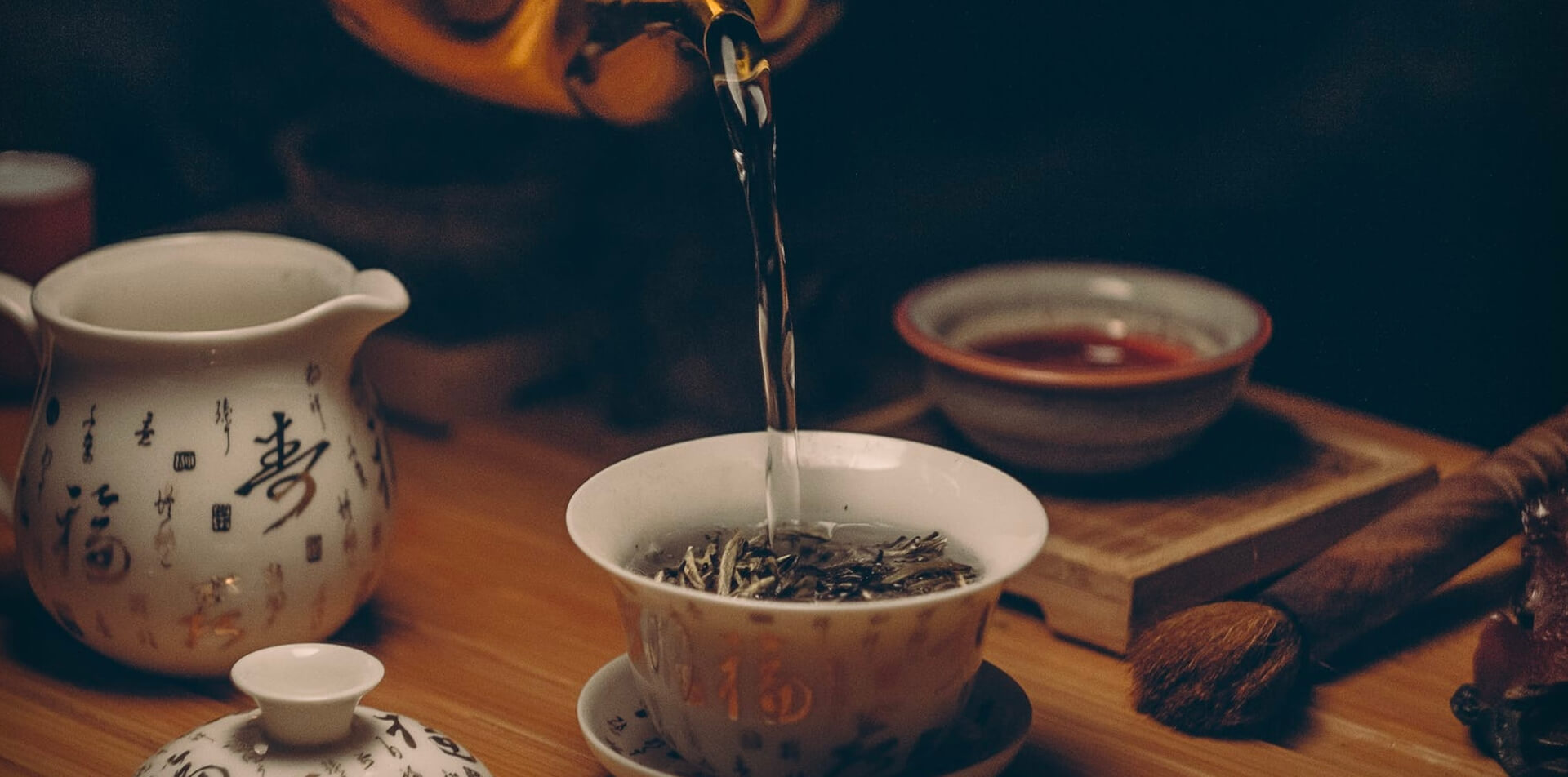
Serve the tea in suitable teaware that complements the character of your establishment. Where possible, give guests the opportunity to see the tea leaves and briefly explain what makes the tea special. With premium loose-leaf teas, the preparation itself can also contribute to the experience.
The correct water temperature and infusion time are equally essential. Water that is too hot or an infusion that is too long can disrupt the balance of certain tea varieties. By preparing each tea according to its recommended brewing method, you allow its aromas to develop to their full potential.
Beautiful presentation, a perfectly brewed cup of tea and a thoughtful explanation come together to create a finale in which quality and hospitality can truly be experienced.
A Considered Tea Concept Starts with the Right Selection
For restaurants and hotels looking to offer their guests a distinctive experience, a successful tea concept begins with the selection of the teas themselves. Taste is important, but so too are provenance, quality and the way the assortment reflects the identity of the establishment.
By consciously selecting a range of flavour profiles, you can create a tea offering suited to every occasion, from a refreshing herbal infusion after dinner to a refined white tea served alongside a gastronomic dessert.
At Tea Cultures, we select exceptional teas with a focus on quality, origin and character. Together with our partners, we develop tea concepts tailored to the needs of the hospitality industry and designed to contribute to a unique experience for every guest.
Because true hospitality lies in the details. And sometimes, an exceptional cup of tea is precisely what makes a meal complete.
Discover the world of Tea Cultures and offer your guests a refined way to round off every dining experience.